|
|
|||||||||||||||||||||||||||||||||||
|
|
|||||||||||||||||||||||||||||||||||
|
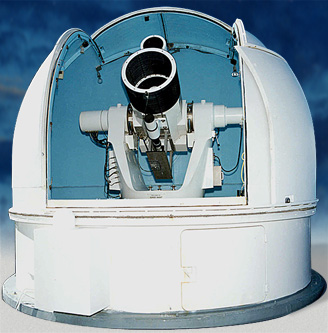
Super Radot Tracking Mount |
|||||||||||||||||||||||||||||||||||
|
|
|||||||||||||||||||||||||||||||||||
|
|
|||||||||||||||||||||||||||||||||||
|
|
|||||||||||||||||||||||||||||||||||
|
|
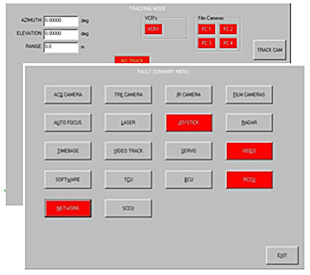
The original RADOT Tracking Systems were developed by Photo-Sonics, Inc. for the United States Army Kwajalein Missile Range (USAKMR) approximately 10 to 15 years ago. The RADOTs in use are capable of collecting TSI component data to a very high degree of accuracy using a multiple-station solution technique. The basic design requirement for the Super Radot includes a base assembly which contains the azimuth drive motor, tape cables, and the azimuth carriage assembly. The elevation axis is comprised of the elevation drive motors and the payload carrying platforms. A separate control console is located adjacent to the mount. The Super Radot provides smooth, vibration-free tracking within the range of ±540° in azimuth and -10° to 95° in elevation. The pedestal is enclosed in an Astrodome shelter. Electrical and electronic facilities required to operate the mount are incorporated into a local console within the Astrodome and a remote console located in a control room which also houses a computer and Tracking Error Detector System (TEDS) that automatically maintains target tracking once a target is acquired. In addition to TEDS, the system also operates in manual tracking mode, controlled by a stick controller located in the control room and also in computer mode, which uses pedestal position data and external target data to produce a tracking error signal. |
|
|||||||||||||||||||||||||||||||||
|
|
|
|
|
||||||||||||||||||||||||||||||||
|
|
|
|
|||||||||||||||||||||||||||||||||
|
|
|
|
|||||||||||||||||||||||||||||||||
|
|
|
|
|||||||||||||||||||||||||||||||||
|
|
|
|
|||||||||||||||||||||||||||||||||
|
|
|
|
|||||||||||||||||||||||||||||||||
|
|
|
|
|
||||||||||||||||||||||||||||||||
|
|
||||||||||||||||||||||||||||||||||
|
|
|||||||||||||||||||||||||||||||||||
|
© 2019 Photo-Sonics, Inc. |
|||||||||||||||||||||||||||||||||||
|
|
|||||||||||||||||||||||||||||||||||
|
|
|||||||||||||||||||||||||||||||||||
.jpg)